What Inspired My Horror Novel Currently On Submission, Part 1
While my horror novel, currently titled House of Bad Bones, is currently out on submission with a bunch of publishers, I thought I’d write a few posts about what inspired the story of a young cancer patient returning to his hometown to discover that his father bought a new house, one with something ancient and wicked hiding in the bones of that place. Something as diseased and malicious as the cancer within him.
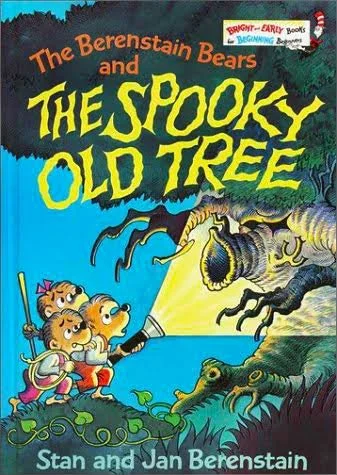
One of the first things my agent Mark Falkin and I spoke about were the literary inspirations for the story, the connective tissue tying my idea to the greater world of haunted house novels. And that connection goes back a long way. I’ve always loved a good haunted house story, from as early as my toddler years. I used to plead with my parents to “read” me The Berenstain Bears and The Spooky Old Tree using the accompanying cassette tape with a narrator and sound effects, complete with an eerie warbling echo to let you know to turn the page. The only tape player they owned for a while in the early 80s was in their car, so they’d carry me out there and flip the pages for me, showing pictures of the old tree’s interior with cobwebbed stairs, suits of armor, and peeling wallpaper. The haunting imagery fascinated and spooked me as a child. Ever since, the idea of an old home that once held life and may yet hold secrets lying in wait for the right person really hooked me and made me a horror fan.
My own novel focuses on a modern 20th-century house. No old dusty Victorian or long abandoned New England mansion, but that doesn’t mean those places didn’t affect my own take on the haunted house tale. In my version, the main character’s father buys his first home late in his life, only for the characters to later realize that something else remains from previous tenants, physically and otherwise. And the following books with homes new and old were huge inspirations for my haunted house.
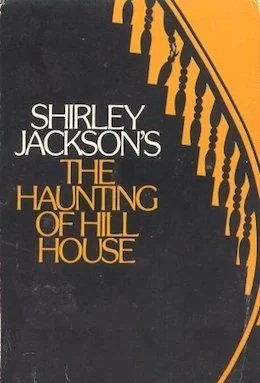
The obvious one and the grand dame of all haunted house novels is Shirley Jackson’s The Haunting of Hill House. I don’t think any author of a haunted house novel written since hers is able to say they aren’t somewhat inspired by her tale of an unsane house waiting silently in the woods for unsuspecting visitors. I am no exception. What I loved about her tale was the sensation that the house so unsuspectingly felt like a maze when it shouldn’t, and even seemed to change ever so slightly—rooms, doors, garrets, hallways and where they lead, whole portions of the house hiding until least suspected. This stumps the characters from time to time, and I enjoyed leaving hints of this type of house in my book. There’s nothing creepier than suddenly wondering if you’re lost inside a space, especially a home, turned around in a place where you should be able to navigate on auto-pilot. Then suddenly…a cozy home feels alien and cold, a place you cannot trust.
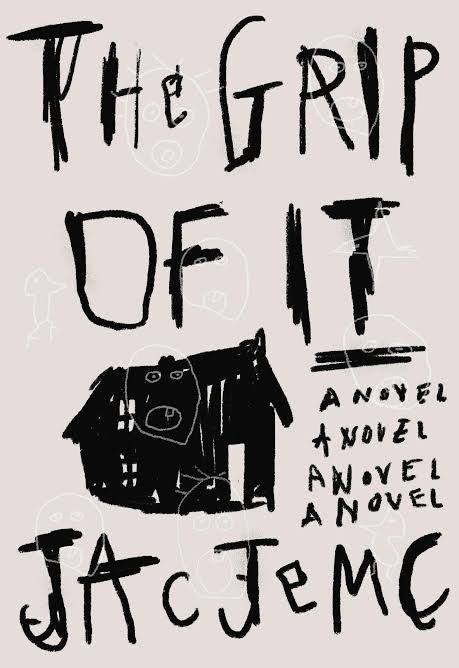
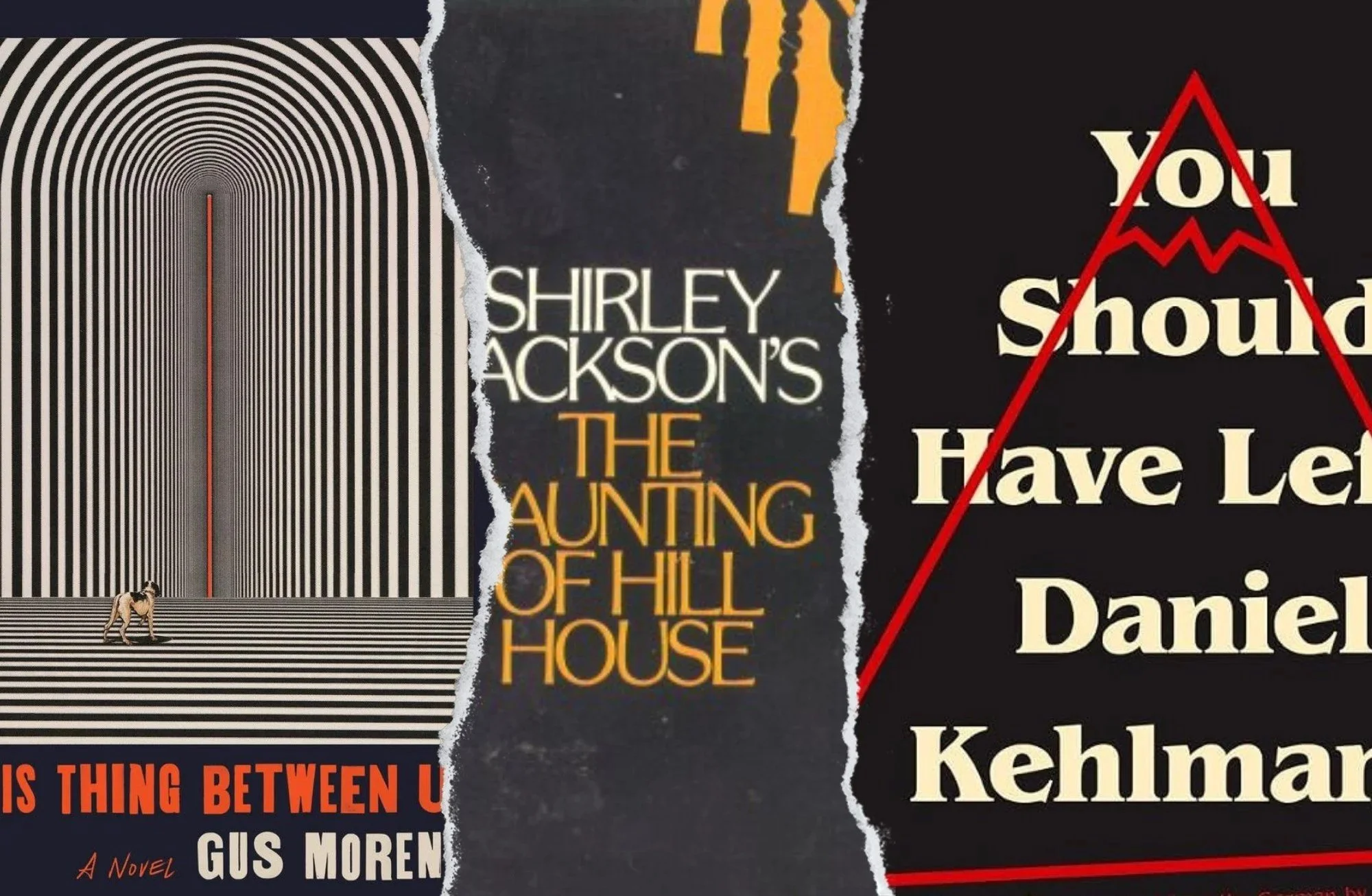
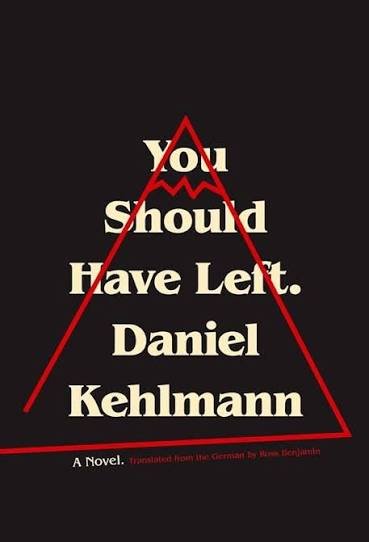
This also comes into play with two other novels that greatly inspired me: The Grip of It by Jac Jemc and You Should Have Left by Daniel Kehlmann. These are two of my favorite modern haunted house stories, both absolutely brilliant. They play with expectations in ways I never saw coming, toying with perception of place and movement, even of time. Are there more rooms here than you think? Did this door shift just a bit? Didn’t I just leave this room? Is it still today, or suddenly next week? Didn’t I just walk out the front door? Is there someone in the next room? Someone watching me? Someone else living here, and maybe has been all this time? Or am I just losing my mind and all of that is a lie, a hallucination, a dream, a sickness? Both books are marvels of psychological trap doors and mirror-maze trickery, and both filled me with the urge to play with those concepts in my own sandbox.
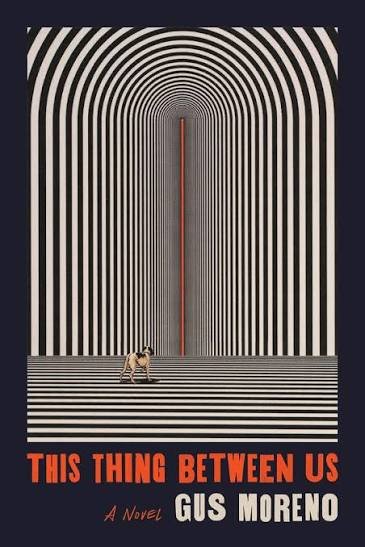
Another novel that took a unique tact with the concept of hauntings was Gus Moreno’s incredible This Thing Between Us. I won’t go too much into the story because I’m loath to spoil anything, but this book repeatedly caught me off guard and genuinely creeped me out, especially the concept that it’s not always a specific place that is haunted, but that evil can poison a person as much as a place and radiate out much farther than you’d expect. Many books and films use this concept, but this book sets up so many psychological traps for the characters and readers that I couldn’t help but feel inspired to try to same with my own tale.
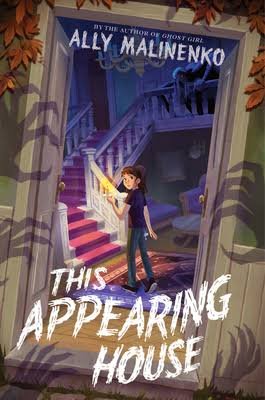
One more I want to mention is my friend Ally Malinenko’s book This Appearing House, which is an excellent middle grade horror novel that also employs haunted house tropes in unexpected ways. Like me, Ally is someone who has faces the life-long challenges that come with a cancer diagnosis, and this idea of illness defining (or not defining) a person and radiating out into other areas of our lives is a powerful device in her book. My book also pulls from my experience going through chemo treatments and dealing with the meatgrinder of the American medical system, made worse by red tape, ignorant advice from strangers outside the medical field, and the burden of debt and stress that comes with trying to overcome a chronic disease that won’t go away. Much like a house with a spirit that refuses to leave, especially when you think it finally has.
These are the bigger literary inspirations, the ones I can point to with certainty and say this or that was a moment or concept that drove me to work on my own haunted horror novel, but there are others too. Other films and stories, myths and real life places that each contributed an image, a feeling, a flickering shadows darting away in the corner of my eye. I’ll go into those in later posts, but for now, I highly encourage any fan of haunted house books to dive into these. Just don’t expect to come out of them unscathed or unafraid. And when I get more news about my own novel, currently making the rounds with publishers, I’ll let you know.